Views: 0 Author: Site Editor Publish Time: 2025-10-22 Origin: Site


At XIN SHANG METAL, precision and efficiency are at the core of our production processes. Every day, our team relies on highly skilled CNC machine operators to turn raw materials like zinc and aluminum alloys into high-quality electronic components, automotive parts, and LED products. A well-trained operator ensures that every part meets exacting specifications, which directly impacts production speed, quality consistency, and overall customer satisfaction. Understanding the role of a CNC machine operator is critical for manufacturers, HR managers, and anyone considering a career in advanced manufacturing.
CNC machine operators play a central role in modern manufacturing by translating digital designs into tangible products. Their daily responsibilities cover a range of tasks, from initial setup to final inspection. A skilled operator balances technical knowledge with attention to detail, ensuring that each part conforms to strict tolerances.
Setting up a CNC machine is one of the operator’s most important responsibilities. This involves installing the correct tools, loading raw materials, and configuring machine offsets. Operators must ensure the machine is properly calibrated to execute the program accurately. They often work with lathes, mills, or routers, each requiring careful adjustment for speed, feed rate, and cutting depth.
By accurately setting up the machine, operators minimize waste, prevent tool damage, and ensure that the finished part matches design specifications. Operators also need to monitor tool wear, selecting the right cutting speeds and feeds to maintain surface finish quality. At XIN SHANG METAL, operators are trained to handle complex setups, including multi-axis machining, which is essential for producing intricate components for industries like automotive, electronics, and new energy products.
Running CNC programs requires familiarity with software-generated instructions, commonly in G-code or CAM-generated code. Operators must be capable of adjusting parameters on the fly to correct minor errors or accommodate variations in raw material properties. This adaptability allows the company to maintain tight delivery schedules without compromising precision.
Maintaining quality throughout the production cycle is a critical responsibility of the CNC operator. Operators conduct in-process checks using precision measuring tools such as calipers, micrometers, and gauges. These checks confirm that each dimension aligns with the engineering drawings, preventing defects from progressing down the production line.
Routine maintenance is equally important. Operators clean machines, lubricate moving parts, and replace worn tools to maintain peak performance. Regular calibration and verification of machine axes are also part of their duties to avoid cumulative errors that could compromise batch production. By performing these tasks consistently, operators reduce machine downtime, extend tool life, and maintain the consistent quality of components produced by XIN SHANG METAL. This diligence ensures that clients receive parts that meet strict quality standards every time.
Additionally, operators often document production metrics, including machine run times, tool usage, and defect rates, providing critical data for continuous improvement initiatives. These records allow engineers and management to analyze efficiency trends, adjust processes, and implement corrective actions when necessary.
Becoming a proficient CNC machine operator requires a blend of technical skills, practical experience, and continuous learning. Manufacturers like XIN SHANG METAL value operators who bring both hands-on expertise and a mindset for improvement.
A CNC operator must accurately interpret blueprints and technical drawings. This includes understanding dimensions, tolerances, and surface finish requirements. Familiarity with computer-aided manufacturing (CAM) software and the ability to modify or troubleshoot G-code programs are also crucial skills.
Metrology skills enable operators to use precision measurement tools effectively. Operators must verify dimensions, angles, and surface quality throughout production. Strong metrology skills reduce errors, improve yield, and ensure that finished components are consistently reliable, a critical requirement for industries such as aerospace and automotive electronics. Proficiency in statistical process control (SPC) and familiarity with coordinate measuring machines (CMM) further enhances operators’ ability to detect deviations early and maintain product consistency.
Safety awareness is essential for every CNC operator. Machines operate at high speeds and can pose significant risks if not handled correctly. Operators must follow strict safety protocols, including wearing protective gear and adhering to machine lockout procedures.
Soft skills like communication, teamwork, and problem-solving are equally valuable. CNC operators often collaborate with engineers, quality inspectors, and other production staff. A mindset focused on continuous improvement allows operators to identify inefficiencies, suggest process enhancements, and adapt to new technologies or updated procedures.
Proactive operators also contribute to process optimization by identifying bottlenecks, recommending more efficient tool paths, or suggesting upgrades to machine software and hardware. This not only benefits daily production but also strengthens the company’s overall competitiveness in high-precision manufacturing.
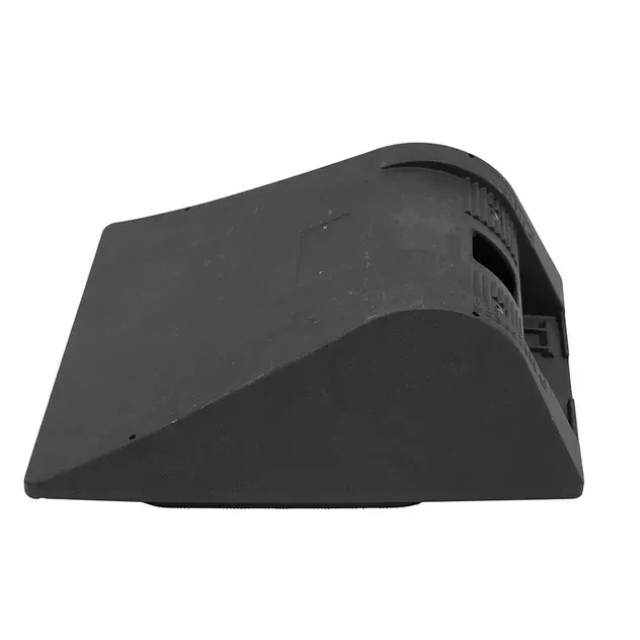
For manufacturing teams, hiring the right CNC operator directly affects productivity and product quality. XIN SHANG METAL emphasizes structured evaluation and onboarding processes to ensure that every new operator meets the company’s high standards.
One of the most effective ways to evaluate CNC operator candidates is through practical testing. Simulated projects or trial parts can reveal the candidate’s ability to set up machines, follow complex instructions, and produce parts within specified tolerances. Test projects also allow hiring managers to observe the operator’s attention to detail, problem-solving approach, and efficiency under real-world conditions.
Assessing candidates on multi-step machining tasks or their ability to troubleshoot unexpected issues provides insight into their practical knowledge and adaptability. Operators who excel in these tests are more likely to maintain high productivity and uphold quality standards from day one.
Formal training pathways provide a solid foundation for aspiring CNC operators. Apprenticeships combine hands-on experience with classroom instruction, while community college programs offer courses in machining, blueprint reading, and CAM software. Many companies, including XIN SHANG METAL, supplement these programs with internal training initiatives. Experienced operators mentor new hires, and ongoing professional development ensures that employees stay current with new machining technologies and advanced manufacturing techniques.
Cross-training operators in different types of machines and processes enhances workforce flexibility. It allows operators to handle diverse projects, from simple electronic housings to complex automotive components, improving overall shop efficiency and responsiveness to client demands.
The skills and diligence of CNC machine operators have a direct effect on both suppliers and customers. High-quality operators reduce the likelihood of defective parts, streamline production schedules, and maintain the trust of downstream partners.
Skilled operators minimize errors during setup and production. Proper setup and careful monitoring reduce the need for rework, allowing faster turnaround times and more consistent output. This translates to higher yields, lower material waste, and better cost efficiency.
At XIN SHANG METAL, operators’ attention to detail ensures that components such as automotive parts, electronic housings, and LED product elements meet stringent quality requirements. Precision machining reduces scrap and guarantees that every delivered component performs reliably in its final application.
High-quality CNC operators contribute to supplier credibility and customer satisfaction. By producing consistent parts and providing accurate quality documentation, operators help maintain trust with clients across industries. For companies like XIN SHANG METAL, this consistency ensures that customers can confidently use supplied components in critical applications, from new energy products to complex industrial assemblies.
Operators’ expertise in machining also allows the company to respond flexibly to custom orders or urgent production demands, ensuring that clients’ projects stay on schedule without compromising quality. By maintaining rigorous standards, operators indirectly support product innovation and client growth across multiple sectors.
At XIN SHANG METAL, our team of dedicated CNC machine operators ensures that every product leaving our factory meets the highest standards of precision and reliability. From meticulous machine setup to ongoing quality inspections, operators play a vital role in transforming raw materials into high-quality zinc and aluminum alloy components for automotive, electronic, and LED industries. Skilled operators help reduce waste, increase throughput, and maintain the confidence of our global clients. Understanding the importance of well-trained CNC operators allows manufacturers and professionals to appreciate how critical their role is in delivering dependable, high-quality CNC components. Contact us to learn more about our manufacturing capabilities, sample parts, or operator expertise.


